
How do I know if I’m getting a fair price in the current Dallas market?

Q: How do I know if I’m getting a fair price in the current Dallas market?
Getting the price right, whether buying or selling, depends on a blend of market data, condition of the property, and the current nuance of your neighborhood. Here’s how you can evaluate it step‑by‑step.
1. Review Recent Comparable Sales (Comps)
Start by looking at homes in your area that are similar in size, age, condition, and features. These ‘comps’ are the baseline for what buyers are actually paying. I can run a Comparative Market Analysis (CMA) for you, which considers recent sales of similar homes to determine a fair price for your property
In Dallas, for example, MLS data shows median sale price per square foot around $240 in some parts as of Sept 2025
If a home is significantly above recent comp prices (adjusted for condition and features), it may be overpriced, or a buyer may be paying for extras like upgrades, views, or location premium
2. Evaluate Current Market Conditions
Market dynamics change frequently. A fair price now must reflect today’s inventory, average days on market (DOM), and buyer/seller balance. In Dallas, DOM increased to around 60 days for many homes in Sept 2025, indicating slower movement.
When homes stay on market longer, sellers may have to price more competitively. Buyers should ensure there’s no “time premium” being paid.
3. Factor in Condition, Upgrades & Location
Even if the market is stable, each home is unique. Condition, upgrades, lot size, location, amenities and school districts all affect value. The Texas Comptroller notes that appraisal districts evaluate individual characteristics when determining market value.
For example: If your home has a newly renovated kitchen, smart home features, and sits near a top‑school zone, you may justify a higher asking price. If it needs updates or is in less desirable location, fair price may be below neighborhood median.
4. Use Valuation Tools as a Reasonable Check
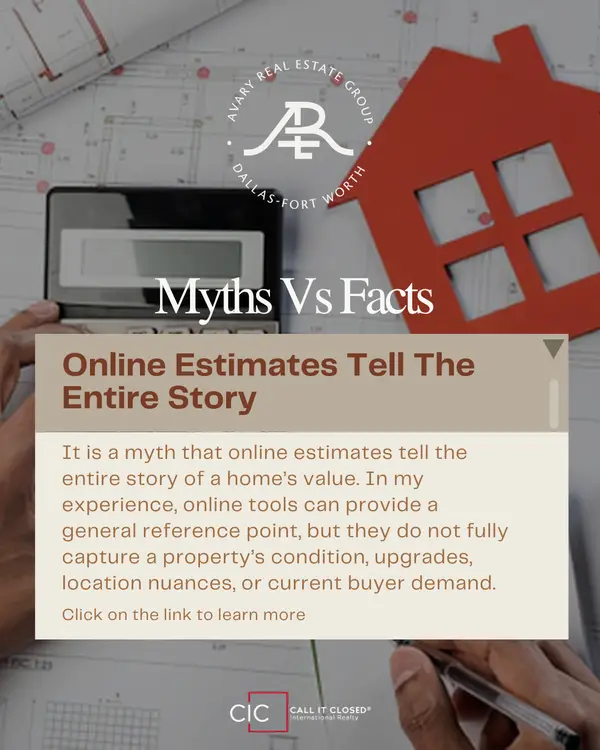
While not perfect, online tools can help you benchmark the price. My website home valuation tool allows you to quickly estimate your property’s value based on recent sales, local market trends, and comparable homes in your neighborhood. Home Valuation
These estimates provide a useful ballpark, but they should never replace a professional evaluation or guidance from a local real estate agent who knows your specific market and home details.
5. Know the Sales‐Price Ratio and Market Signals
Check what percentage of listings are selling at, above or below listing price. For instance, data showed Dallas homes sold for about 3% below list on average in 2025.
If a home is priced above the list and still receiving multiple offers, it might be fair or even undervalued in high demand. If it sits for weeks with no offers, there may be a pricing issue.
Recent Posts